
THE SCIENCE OF SKIN LONGEVITY
The Science of Skin Longevity
BEYOND ANTI-AGING
Understanding the biology of how skin ages and the science of supporting its quality, resilience and function over time

THE SCIENCE OF SKIN LONGEVITY
FROM TREATING SIGNS OF AGING TO UNDERSTANDING HOW SKIN AGES
For decades, skincare has focused largely on what we can see.
- Fine lines.
- Wrinkles.
- Loss of firmness.
- Dryness.
- Uneven tone.
- Changes in texture.
These visible signs remain important. But modern research is revealing a much more complex story beneath the surface.
Skin aging reflects interconnected changes occurring at the molecular, cellular and tissue levels, influenced by both the passage of time and lifelong environmental exposure. PubMed This has led researchers and dermatologists to explore a broader question:
Instead of focusing only on how old skin looks, can we better understand the biological processes that influence how well skin functions as it ages?
That question lies at the heart of the emerging field of skin longevity.
At Premier, skin longevity provides a scientific framework for thinking beyond short-term correction toward the long-term quality, resilience, appearance and function of skin.


WHAT IS SKIN LONGEVITY?
A NEW WAY OF THINKING ABOUT AGING SKIN
Skin longevity is an emerging concept connecting the science of skin aging with the broader principles of healthy aging.
The term is increasingly appearing in dermatology, geroscience and aesthetic-medicine literature. Researchers have proposed frameworks such as skinspan to describe the period during which skin maintains desirable structure, function and resilience. PubMed
This represents an important shift.
Traditional anti-aging asks:
How can we reduce the visible signs of aging?
Skin longevity asks:
What biological changes create those signs and how can skin quality and function be supported throughout the aging process?
The two concepts are not opposites.
Anti-aging remains relevant.
Skin longevity simply looks deeper.
FROM LIFESPAN TO HEALTHSPAN TO SKINSPAN
Longevity science often distinguishes between lifespan and healthspan.
Lifespan describes how long an organism lives.
Healthspan describes how long health and function are maintained.
A similar idea is now being explored in relation to skin.
Recent scientific literature uses the term skinspan to describe the preservation of skin structure, function and healthy appearance over time. PubMed
For Premier, this provides a useful framework.
The ambition of skin longevity is not to suggest that skin can somehow be prevented from aging.
Aging is biological and inevitable.
The more meaningful scientific objective is to understand the processes associated with aging skin and investigate approaches that may help maintain better skin quality for longer.
SKIN AGING BEGINS BENEATH WHAT WE CAN SEE
Wrinkles are visible.
The processes behind them are not.
Scientific research increasingly describes visible skin aging as the outward expression of deeper biological changes involving cells, structural proteins, communication pathways, oxidative balance and tissue organization. Frontiers
This creates something similar to an iceberg.
WHAT WE SEE
Fine lines
Wrinkles
Loss of elasticity
Dryness
Dullness
Uneven pigmentation
Changes in texture
WHAT MAY BE HAPPENING BELOW
Cellular senescence
Mitochondrial dysfunction
Oxidative stress
Chronic low-grade inflammation
DNA damage
Altered cellular communication
Reduced regenerative capacity
Changes in extracellular matrix organization
Declining barrier performance
The visible signs are therefore only one part of the aging story.

THE BIOLOGY OF SKIN AGING
MULTIPLE PROCESSES. ONE AGING ORGAN.
There is no single biological switch responsible for skin aging.
Instead, research points to multiple interconnected mechanisms.
A major scientific review of the hallmarks of skin aging describes processes including genomic instability, telomere attrition, epigenetic changes, loss of proteostasis, altered nutrient sensing, mitochondrial dysfunction, cellular senescence, stem-cell changes and altered intercellular communication. PubMed
Broader longevity research has similarly identified interconnected biological hallmarks involved in aging across tissues. PubMed
Skin is particularly interesting because it ages under two influences simultaneously:
time from within
and
the environment from outside.
“AFTER DECADES IN DERMATOLOGY, I HAVE SEEN MANY SKINCARE BRANDS. VERY FEW HAVE DEMONSTRATED THE SCIENTIFIC RIGOR AND INNOVATION THAT DEFINE PREMIER.”
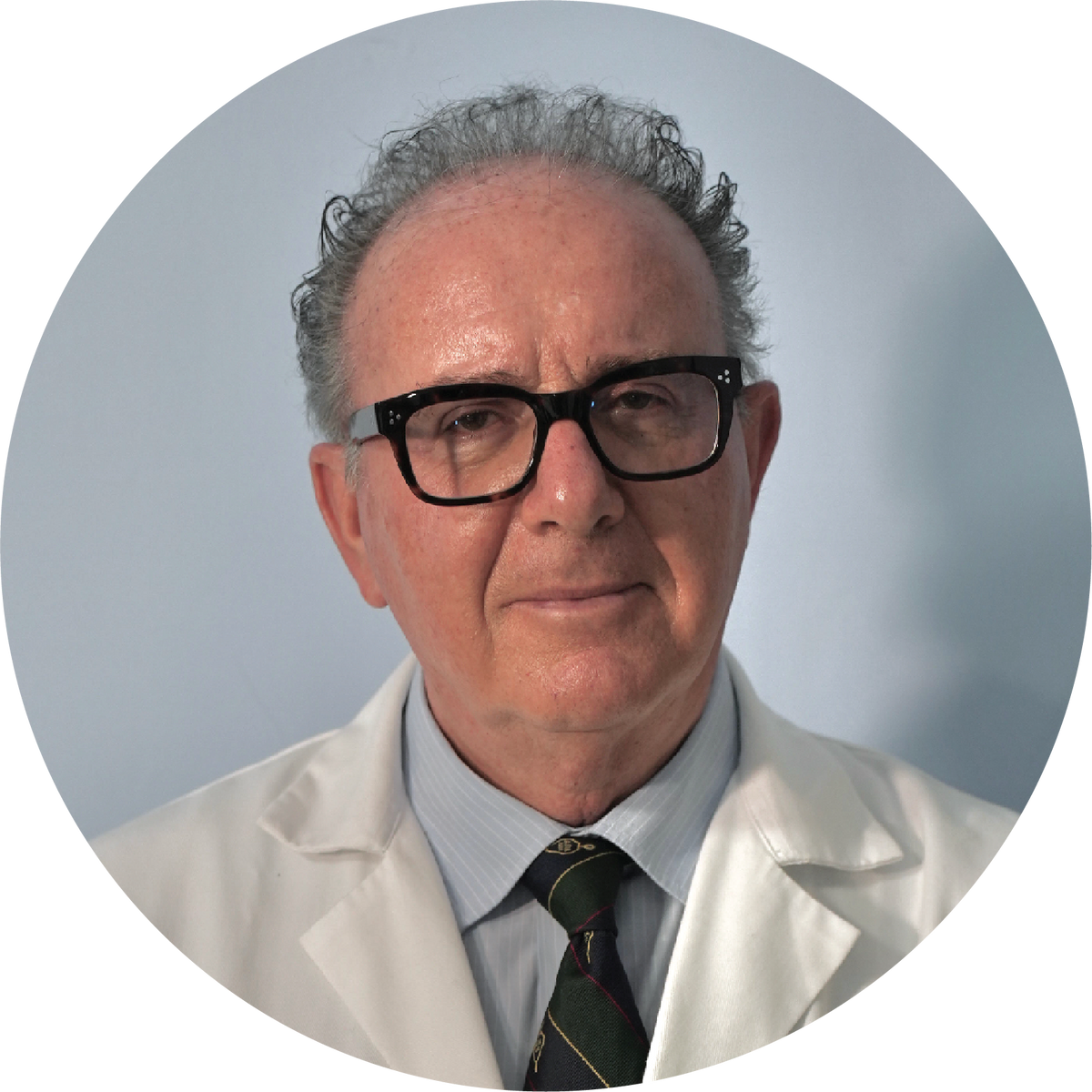
Professor Torello Lotti - President, World Health Academy of Dermatology
N.1 beauty brand from the Dead Sea
Premier Dead Sea
INTRINSIC AGING
THE BIOLOGY OF TIME
Intrinsic aging refers to biological changes associated with the passage of time.
These may involve changes in:
- Cellular renewal
- Mitochondrial performance
- DNA maintenance
- Hormonal signaling
- Protein homeostasis
- Cellular communication
- Stem-cell activity
- Extracellular matrix organization
These processes gradually influence the characteristics and behavior of skin.
Scientific reviews connect intrinsic skin aging with changes such as cellular senescence, mitochondrial dysfunction and declining regenerative capacity. PubMed
Intrinsic aging cannot be eliminated.
Understanding it, however, gives researchers a much clearer framework for studying long-term skin quality.
EXTRINSIC AGING
THE SKIN EXPOSOME
Skin does not age only because time passes. It is also continuously exposed to the outside world. Researchers increasingly use the term skin exposome to describe the cumulative environmental and lifestyle influences affecting skin throughout life.
Important factors can include:
- Ultraviolet radiation
- Air pollution
- Smoking
- Climate
- Environmental stress
- Sleep
- Nutrition
- Psychological stress
- Lifestyle behaviors
These factors can interact with intrinsic biological aging and influence oxidative stress, inflammation, DNA damage, pigmentation, extracellular matrix degradation and other processes associated with skin aging. PubMed
This interaction between biology and environment is one reason two people of the same chronological age can have very different skin.
CELLULAR SENESCENCE
WHEN CELLS STOP DIVIDING BUT REMAIN BIOLOGICALLY ACTIVE
One of the most important areas in modern longevity research is cellular senescence.
Senescence occurs when cells enter a stable state in which they no longer divide normally.
This process can serve useful biological purposes, including roles in wound repair and protection against uncontrolled cell proliferation.
But with aging, senescent cells can accumulate.
Some may release inflammatory and signaling molecules collectively associated with what researchers call the senescence-associated secretory phenotype, or SASP.
Research increasingly links accumulated cellular senescence with changes in skin physiology and age-related tissue dysfunction. PubMed
Skin cells particularly relevant to this research include keratinocytes, melanocytes and dermal fibroblasts.
Because fibroblasts help produce and maintain the extracellular matrix, their changing behavior with age can have important consequences for skin structure. PubMed

MITOCHONDRIA
THE ENERGY SYSTEMS INSIDE OUR CELLS
Mitochondria are cellular structures closely associated with energy production and cellular metabolism.
Their function can change with age.
Mitochondrial dysfunction is recognized as one of the biological hallmarks associated with aging and has been linked to aging processes within skin. PubMed
Mitochondria are also closely connected with oxidative balance, cellular signaling and stress responses.
This makes mitochondrial biology an important area of interest within longevity research.
For skin scientists, the question is not simply how much energy a cell produces.
It is how cellular energy, stress and communication interact throughout the aging process.
OXIDATIVE STRESS
WHEN CELLULAR BALANCE IS DISRUPTED
Reactive oxygen species are natural products of cellular activity.
They are not inherently harmful.
At controlled levels, they participate in normal biological signaling.
Problems can arise when the balance between reactive species and protective mechanisms becomes disrupted.
This state is commonly described as oxidative stress.
In skin, oxidative stress can be influenced by both intrinsic processes and environmental exposures such as ultraviolet radiation and pollution.
It is associated with pathways involved in cellular damage, inflammation, mitochondrial dysfunction and skin aging. PubMed
The biology is therefore more sophisticated than simply saying “free radicals are bad.”
Healthy cellular function depends on balance.
CHRONIC INFLAMMATION
INFLAMMAGING
Inflammation is essential to normal immune defense and tissue repair.
But aging research has increasingly examined persistent low-level inflammatory activity, sometimes called inflammaging.
Recent skin-aging research describes inflammation as part of an interconnected aging microenvironment involving senescent cells, oxidative stress, extracellular matrix changes and altered cellular communication. PubMed
These processes may reinforce one another.
This is an important theme in longevity science:
aging mechanisms rarely operate independently.
Changes in one system can influence several others.
THE EXTRACELLULAR MATRIX
THE STRUCTURAL ENVIRONMENT OF THE SKIN
Much of the visible character of youthful skin depends on the dermal extracellular matrix.
This complex structural environment includes components such as collagen and other proteins that help support tissue organization and mechanical properties.
With age, extracellular matrix production, organization and remodeling can change.
Senescent fibroblasts can also alter the enzymes and signaling molecules involved in matrix maintenance. PubMed
Over time, these changes contribute to characteristics associated with aging skin, including reduced firmness and elasticity.
From a skin-longevity perspective, the extracellular matrix is therefore not simply “collagen.”
It is a dynamic biological environment influenced by cells, signaling and continuous remodeling.

THE SKIN BARRIER
LONGEVITY ALSO MEANS FUNCTION
Skin is not merely something we look at.
It performs essential biological functions.
One of the most important is the barrier.
The skin barrier helps control water loss and provides an interface between the body and its external environment.
With aging, aspects of barrier function and recovery can change.
This can contribute to dryness, sensitivity and reduced resilience.
Recent longevity frameworks therefore consider barrier integrity as part of maintaining functional skin over time. PubMed
That is why Premier's concept of skin longevity should not be limited to wrinkles.
Healthy-looking skin and well-functioning skin are closely connected.

REGENERATION & CELLULAR RENEWAL
Skin is constantly renewing itself.
But the efficiency of renewal and repair changes with age.
Research into aging highlights changes in stem-cell activity, cellular communication and regenerative capacity as important components of tissue aging. PubMed
This does not mean aging skin loses the ability to renew.
It means the biological environment supporting renewal becomes different.
Understanding these changes is an important part of developing a more complete model of aging skin.
SKIN RESILIENCE
HOW WELL CAN SKIN RESPOND TO CHANGE?
Resilience describes the ability of a system to respond to stress and recover.
Applied to skin, this can involve the ability to tolerate environmental challenges, maintain barrier function, preserve moisture balance and recover from disruption.
Premier considers resilience one of the important concepts within its skin-longevity framework. Its current page identifies resilience, vitality, barrier function, structural integrity, environmental adaptation and healthy aging as key areas of interest. Premier Dead Sea International Website
These are useful concepts.
But on the rewritten page, we should now connect them to the actual biology described above rather than presenting them as isolated marketing pillars.
THE PILLARS OF PREMIER'S SKIN LONGEVITY FRAMEWORK
Premier organizes its skin-longevity research around several interconnected objectives.
RESILIENCE
Supporting skin's ability to respond to environmental and biological stress.
BARRIER FUNCTION
Maintaining hydration and the integrity of the skin's protective interface.
STRUCTURAL QUALITY
Understanding the biological systems associated with firmness, elasticity and extracellular matrix organization.
CELLULAR VITALITY
Investigating processes associated with cellular function, energy and stress response.
ENVIRONMENTAL ADAPTATION
Understanding how cumulative exposure influences skin over time.
HEALTHY AGING
Looking beyond individual wrinkles toward the long-term appearance and performance of skin.
These pillars should be understood as Premier's research framework, not as a claim that every Premier cosmetic product modifies every biological hallmark described on this page.
That distinction is scientifically important.
SKIN LONGEVITY IS AN EMERGING FIELD
SCIENCE BEFORE HYPE
This is a section I would definitely add.
Skin longevity is developing rapidly, but the terminology and scientific standards are still evolving.
Recent peer-reviewed work has proposed criteria for what a genuine “longevity cosmeceutical” would need to demonstrate, including measurable effects on relevant aging mechanisms and robust clinical validation. The authors specifically distinguish scientifically substantiated longevity claims from marketing terminology. PubMed Central (PMC)
That is important.
At Premier, we believe longevity should be approached with scientific discipline.
The objective should not be to place the word “longevity” on conventional skincare.
It should be to better understand the biology of aging skin, identify meaningful targets, develop appropriate technologies and evaluate them with increasingly rigorous scientific methods.
Skin longevity should be a research direction—not simply a marketing claim.
That sentence is extremely strong for Premier.
HOW CAN SKIN LONGEVITY BE STUDIED?
MEASUREMENT MATTERS
If skin longevity is to become scientifically meaningful, it must ultimately be measurable.
Researchers are investigating combinations of:
- Clinical measurements
- Imaging
- Barrier measurements
- Elasticity and biomechanical properties
- Hydration
- Skin structure
- Cellular biomarkers
- Molecular biomarkers
- Histology
- 3D skin models
- Ex vivo tissue models
Recent academic proposals for longevity-focused cosmetics emphasize the need for measurable biological and clinical endpoints rather than relying solely on appearance-based claims. PubMed Central (PMC)
This is likely to become increasingly important as longevity science moves closer to dermatology and aesthetic medicine.


WHERE PREMIER FITS
FROM ANTI-AGING TO LONGEVITY RESEARCH
Premier's interest in skin longevity developed naturally from more than 35 years of work in skincare and anti-aging.
The progression can be understood simply:
- Dead Sea skincare
- advanced anti-aging
- skin biology
- skin longevity research
- medical technology
- emerging aesthetic science
Premier Labs now investigates scientific areas including skin biology, cosmetic science, longevity research, medical technologies, light-based technologies and biomaterials. Premier Dead Sea International Website
But on this page, we should not explain all of those divisions again. The focus should remain on the biological science. For readers who want to understand how Premier translates that science into products and technologies, we link them to:
Premier Labs
Research, Development & Innovation
Medical Technology Division
Aesthetic Medicine Division
Skin Longevity Ecosystem

SKIN LONGEVITY IS NOT ONE PRODUCT
This is another distinction worth making.
No single ingredient defines skin longevity.
No cream defines it.
No device defines it.
No procedure defines it.
Aging skin is influenced by numerous interacting biological and environmental factors. PubMed
A longevity-oriented approach therefore needs to think more broadly.
It may involve:
- Daily skincare
- Barrier support
- Photoprotection
- Environmental protection
- Appropriate active ingredients
- Healthy lifestyle behaviors
- Medical and aesthetic technologies where appropriate
- Continued scientific research
This is precisely why the concept is broader than conventional anti-aging.

THE ROLE OF LIFESTYLE
Skin does not exist separately from the rest of the body.
Research increasingly recognizes relationships between skin aging and environmental and behavioral factors including sun exposure, smoking, diet, physical activity, stress and sleep. PubMed
For that reason, no skincare company should suggest that a cosmetic product alone determines how skin ages.
Skincare is one component within a much larger biological and environmental system.
WHAT SKIN LONGEVITY DOES NOT MEAN
LONGEVITY IS NOT IMMORTALITY
Skin longevity does not mean stopping aging.
It does not mean extending human lifespan.
It does not mean making skin biologically young forever.
And it does not mean that every visible sign of aging represents unhealthy skin.
Aging is normal.
The scientific opportunity is to understand it better.
Premier uses skin longevity to describe a long-term approach focused on maintaining skin quality, resilience and healthy appearance while studying the biological processes that change with age.
THE FUTURE OF SKIN SCIENCE
The field is evolving rapidly.
Research into cellular senescence, mitochondrial biology, inflammatory signaling, regenerative mechanisms, biomaterials and advanced measurement technologies is creating new ways to understand aging tissues. PubMed
Some discoveries may eventually lead to meaningful new approaches.
Others may not translate successfully from laboratory research into human applications.
That uncertainty is part of science.
For Premier, the objective is not to predict every breakthrough.
It is to maintain the scientific capabilities, multidisciplinary relationships and research culture necessary to evaluate new possibilities as they emerge.
FROM ANTI-AGING TO HEALTHY SKIN AGING
For decades, beauty asked:
How can we make skin look younger?
Skin longevity introduces a more sophisticated question:
How can we better understand aging skin and help preserve its quality, resilience and function over time?
That change in language reflects a deeper change in science.
Wrinkles still matter.
Firmness still matters.
Texture still matters.
But now we can study the biology underneath them.
THAT IS THE SCIENCE OF SKIN LONGEVITY.
Frequently Asked Questions
Skin longevity is an emerging framework focused on understanding the biological processes involved in skin aging and supporting the long-term quality, resilience, function and appearance of skin. Peer-reviewed dermatology and aesthetic literature increasingly discusses related concepts including skin longevity and skinspan. PubMed
Not exactly. Traditional anti-aging often focuses primarily on visible concerns such as wrinkles and firmness. Skin longevity takes a broader view by considering the biological and environmental processes associated with aging skin.
Skin aging results from interacting intrinsic and extrinsic influences. Research identifies factors including cellular senescence, mitochondrial dysfunction, DNA damage, changes in cellular communication, extracellular matrix remodeling, inflammation and environmental exposures. PubMed
Cellular senescence is a biological state in which a cell enters stable cell-cycle arrest. Senescent cells can accumulate with age and may influence surrounding tissue through inflammatory and other signaling molecules. Their role in skin aging is an active field of research. PubMed
The skin exposome describes cumulative external and lifestyle influences affecting skin over time, including ultraviolet radiation, pollution, smoking, climate and behavioral factors. PubMed
Skinspan is an emerging term used in recent scientific literature to describe the period over which skin maintains desirable structure, function and healthy characteristics. PubMed
No. Aging is a normal biological process. Skincare can support aspects of skin appearance and function, but no cosmetic product stops biological aging.
Premier uses skin longevity as a research framework connecting skin biology, advanced skincare, anti-aging research and technology. Its existing framework emphasizes resilience, barrier function, structural integrity, environmental adaptation and healthy aging. Premier Dead Sea International Website
It is an emerging field. Concepts such as skin longevity and skinspan are increasingly discussed in peer-reviewed dermatology and aesthetic literature, but terminology, biomarkers and standards for substantiating longevity-related claims continue to evolve. PubMed Central (PMC)